
Roofing Contractor in Canyon Country, CA Built for Heat, Wind & Fire Season
Canyon Country roofs work hard. Summer afternoons go past 105°F, winter nights drop into the 30s, and Santa Ana winds come howling down Mint Canyon and Sand Canyon every fall. Then months of dry weather end with one heavy November storm, and a leak that's been building quietly all year finally shows up on your ceiling. All Weather Roofing is a local team that handles roof repair, roof installation and roof replacement for exactly these conditions. We find what's actually failing under your tile or shingles, give you honest pricing in writing, and do the work carefully from the first visit to the final cleanup.
We know the housing here. Fair Oaks Ranch has 20- to 30-year-old concrete tile roofs whose original underlayment is giving out. Along the Sierra Highway corridor you'll find 1970s ranch homes reroofed two or three times. Sand Canyon has hillside estates with barns and complicated rooflines. We also know which addresses fall under City of Santa Clarita permits and which go through LA County, what Very High Fire Hazard Severity Zone rules require, and how to get a reroof through HOA architectural review.
- ✓Bonded and insured roofing contractor
- ✓Local Canyon Country team, serving the area since 2024
- ✓Free, no-pressure roof quotes
- ✓Financing available for repairs and replacements
- ✓Honest, itemized written pricing
- ✓Serving homes and businesses within 20 miles of Canyon Country
Request Your Free Estimate
No obligation. Fast, honest quotes.
Thank you — your request was sent!
A member of the All Weather Roofing team will reach out shortly. Need help now? Call (818) 686-5852.
Why Canyon Country Roofs Need a Local Roofing Contractor
Canyon Country sits at the hot, inland eastern end of the Santa Clarita Valley. Between the high-desert heat, the canyon winds, the wildfire risk and a building code built around fire safety, a roof here wears out differently than one in coastal LA. Here's what that means for your home.
High-Desert Heat, Canyon Winds and Fire Season
Most of Canyon Country sits between about 1,400 and 2,000+ feet, below the San Gabriel and Sierra Pelona foothills. Summer highs usually run from the mid-90s to low 100s, heat waves reach 105–110°F, and winter nights can frost. Daily temperature swings of 30°F or more make roofing materials expand and contract over and over. That cracks mortar at ridges and hips, loosens flashing and splits sealant around vents and skylights. Strong UV dries out shingles and bakes the felt under tile. The area only gets about 15 inches of rain a year, and almost all of it falls between November and March in short, heavy storms, so leaks stay hidden for months. Fall Santa Ana winds lift tiles and peel off ridge caps. The 2019 Tick Fire and the 2016 Sand Fire showed how quickly wind-blown embers can reach roofs in canyon-edge neighborhoods.
Housing From the 1960s to Today
Most homes here were built between the late 1960s and the 2000s. Many of the single-story stucco ranch homes along Soledad Canyon Road and Sierra Highway started with wood shake and have been reroofed since, sometimes with new layers laid over old ones. The 1980s–1990s tract homes, condos and townhomes in Pinetree, Shadow Pines and Canyon Park mostly have concrete S-tile, flat or barrel tile. Fair Oaks Ranch tile roofs are now 20 to 30 years old. The tile itself often still looks fine, but the felt underneath is near the end of its life. Skyline Ranch and Vista Canyon were built to current wildfire and energy codes. Mobile-home parks along Sierra Highway need coatings and roof-overs, and low-slope patio and garage roofs show up in neighborhoods of every age.
Permits, Fire Code and HOA Rules
Most of Canyon Country is inside the City of Santa Clarita. There, reroofs need a Building & Safety permit, with inspections of the deck and underlayment plus a final. Unincorporated pockets toward Agua Dulce go through LA County Public Works instead, so the agency has to be confirmed address by address. In Very High Fire Hazard Severity Zones, California Building Code Chapter 7A requires Class A roof assemblies, ember-resistant vents and bird-stopped tile ends. Wood shake is effectively off the table. Title 24 may require cool-roof reflectance on some reroofs. HOAs in Fair Oaks Ranch, Skyline Ranch, Vista Canyon and many condo complexes must approve tile color and profile before work starts. State law also caps a home-improvement down payment at 10% or $1,000, whichever is less.
Insurance Pressure and Homeowner Priorities
Wildfire risk has changed the insurance market here. Several major carriers have stopped renewing policies in high-fire-risk parts of California, and many Canyon Country owners have moved to the California FAIR Plan or more expensive policies. Insurers now look closely at roof age, condition and fire rating, and roof photos can decide whether a policy gets renewed. A lot of long-time residents are on their first or second roof and are weighing cost against insurance requirements and resale value. Mobile-home owners on fixed incomes need affordable fixes that last. Owners of newer homes care most about HOA compliance and warranty coverage. That's why financing and clear documentation of your roof's condition matter so much here.
Common Roofing Problems in Canyon Country
Most roof failures in Canyon Country come from the same few causes: heat, sun, wind, the occasional earthquake and roofs that are simply getting old. Some of these problems can wait for a planned repair. Others need attention before the next storm. Here's what we see most often and how to spot each one.
Failed Underlayment Beneath Concrete Tile Serious
Concrete tile mostly sheds sun and debris. The felt underlayment underneath is what actually keeps water out. After 20 to 30 years of attic heat, that felt gets brittle, cracks and tears, especially at laps, valleys and around penetrations, even though the tiles on top still look fine.
Why it's common hereCanyon Country has thousands of tile roofs from the 1980s through the early 2000s, and that whole generation of underlayment is wearing out now. Summers over 100°F bake the felt from above, and the big daily temperature swings keep working it loose. Because almost all the year's rain comes in a few winter storms, small failures stay hidden through months of dry weather. Then the first atmospheric river pushes water through all at once. From the street, the tile looks perfect, so most homeowners have no idea anything is wrong.
Signs you'll notice- Ceiling or wall stains after the first winter storm
- Brittle, torn or black felt visible at tile edges or the eaves
- Damp or stained roof sheathing in the attic
- Musty attic smell after rain
- Water stains near chimneys, skylights or valleys
- A tile roof that's 20+ years old and has never been lifted
This is very common in Fair Oaks Ranch, Pinetree, Shadow Pines and Canyon Park, where late-1980s to 2000s tract homes and townhomes are reaching the age when underlayment typically gives out. We see it most in December and January, right after the first heavy storm of the season.
Our fix: Usually a tile lift-and-relay: we remove the tiles, replace the underlayment and flashing, and put the good original tiles back. That costs far less than a full tear-off.
Cracked, Slipped and Wind-Lifted Tiles Moderate
Concrete and clay tiles crack when someone steps on them, when something heavy hits them, or when strong wind lifts them. Tiles also slip out of position when their fasteners corrode or break. Each broken or missing tile leaves the underlayment beneath it open to UV and water.
Why it's common hereFall Santa Ana winds funnel through Mint Canyon, Sand Canyon and Whites Canyon and catch the edges of loose tiles. Canyon Country has a lot of rooftop solar, so installers, painters and HVAC techs are on roofs often, and tiles crack when people walk on them the wrong way. The area also sits in a very active seismic zone. Since the 1994 Northridge quake, many older tile roofs have shifted tiles and broken fasteners that nobody has fixed.
Signs you'll notice- Visible gaps or tiles out of line from the ground
- Tile pieces in gutters, flower beds or the driveway
- Cracked tiles around solar panels or AC units
- Ridge or hip tiles that look lifted or uneven
- Exposed felt where a tile used to be
- Rattling or shifting sounds in high wind
We find this all over hillside streets in Sand Canyon, Mint Canyon and Lost Canyon after Santa Ana wind events. It's also very common on homes that had solar installed in the last ten years without anyone checking the tiles afterward.
Our fix: We replace broken tiles with matching profiles, reset slipped tiles, add wind clips or new fasteners where needed, and check the underlayment we expose along the way.
Cracked Mortar Ridges and Hips Moderate
On many tile roofs, the ridge and hip caps are set in mortar. Over time that mortar cracks, shrinks and breaks away, leaving the caps loose and letting wind-driven rain get under the ridge into the roof structure.
Why it's common hereDay-to-night swings of 30°F or more make the mortar and tile expand and contract over and over, and mortar isn't flexible enough to handle that for decades. Earthquakes and strong canyon winds speed up the cracking. On older roofs, the mortar often wasn't mixed or applied very well to begin with. Once the mortar is gone, Santa Ana winds can blow the cap tiles right off.
Signs you'll notice- Hairline or wide cracks along the ridge lines
- Mortar pieces on the roof or in gutters
- Ridge caps that look wavy or loose
- Gaps between the cap tiles and the field tile
- Stains along the top of interior walls under the ridges
We see this most on 1980s–1990s concrete tile homes in Canyon Park, Shadow Pines and Whites Canyon, and on two-story tract homes whose ridges take the full force of wind coming off the foothills.
Our fix: We remove the failed mortar and reset the caps, either with fresh mortar or with a modern dry-ridge system that has ventilated, mechanically fastened components.
Brittle, Granule-Shedding Composition Shingles Moderate
Asphalt shingles rely on their granules for UV protection. Once the sun wears those granules away, the asphalt dries out, curls, cracks and gets brittle. Tabs then break or blow off, and eventually the shingles stop shedding water reliably.
Why it's common hereCanyon Country gets strong sun all year, and summer heat often goes past 105°F, which ages shingles faster than coastal weather does. Many 1960s–1970s ranch homes and some 1990s tracts have shingle roofs that are on their second or even third layer, and stacked layers trap heat and wear out even faster. Santa Ana gusts then lift and snap the brittle tabs.
Signs you'll notice- Piles of granules in gutters or at downspouts
- Curled, cupped or clawing shingle edges
- Missing tabs or bare spots after wind
- Dark, patchy or faded areas on the roof
- Shingles that crack when bent
- Nails backing out and lifting the shingles
Most common on single-story ranch homes along the Sierra Highway and Soledad Canyon Road corridors and on older Mint Canyon properties, many of which have more than one layer of shingles stacked over old shake.
Our fix: We do targeted repairs if the shingles have a few years left. If not, we tear off all the old layers and install a new Class A shingle system with updated underlayment and ventilation.
Fire-Vulnerable Roof Details in High-Hazard Zones Serious
Most homes lost to wildfire are lit by embers, not by the fire front itself. Open tile ends without bird stops, unscreened vents, debris-filled valleys and gutters, and combustible underlayment all give embers a way into the roof and attic.
Why it's common hereLarge parts of Canyon Country's hillside and canyon-edge neighborhoods are mapped as Very High Fire Hazard Severity Zones. The 2019 Tick Fire forced evacuations and destroyed homes here. Dry brush, ash and dust collect in roof valleys, and older roofs often predate the Chapter 7A ember rules. Insurers increasingly inspect these exact details before they'll renew a policy.
Signs you'll notice- Open gaps at the eaves under the first row of tile
- Attic vents with large openings or no ember-resistant mesh
- Leaves, needles or brush piled in valleys and gutters
- Remaining wood shake on the roof, an addition or an outbuilding
- An insurance notice asking about roof condition or fire rating
This shows up most on the canyon-edge streets of Sand Canyon, Mint Canyon, Whites Canyon and Lost Canyon, and on older properties near the brush line toward Agua Dulce. Wood-roofed barns and outbuildings are a common weak spot.
Our fix: We install bird stops, ember-resistant vents and Class A rated components, clear out debris, and plan a Class A reroof where the existing roof can't be upgraded.
Leaking Low-Slope Roofs, Patios and Mobile Homes Moderate
Flat and low-slope roofs over patios, room additions, garages and manufactured homes rely on rolled roofing, built-up layers or coatings to stay watertight. Once the sun cracks those surfaces, water ponds, seams open and leaks follow quickly.
Why it's common hereWater doesn't run off a low-slope roof as fast, so the heavy winter storms that hit Canyon Country put a lot of stress on every seam. UV chalks and breaks down coatings within a few summers if nobody maintains them. The area has many mobile-home communities and a lot of DIY patio additions, and both often used materials that weren't meant to last decades.
Signs you'll notice- Water ponding for days after rain
- Blistered, alligatored or chalky roof coating
- Open seams or lifted edges on rolled roofing
- Rust on metal mobile-home roofs
- Leaks where a patio cover joins the house
- Soft spots underfoot
This is everywhere in the manufactured-home parks along Sierra Highway and Soledad Canyon Road, and on patio and garage add-ons in older neighborhoods across Canyon Country. These leaks often start during the first two storms of the season.
Our fix: Depending on the roof, we use elastomeric or silicone coatings, re-seal seams, or do a full roof-over or low-slope replacement. All of these are built for heat and UV.
Storm Leaks, Blown-Off Sections and Fallen Debris Emergency
An active leak during a storm, a section of roof torn off by wind, or a tree limb through the roof all need immediate attention. Every hour of water getting in can ruin drywall, insulation, flooring and electrical work.
Why it's common hereCanyon Country's rain comes in a few concentrated storms, often atmospheric rivers that drop inches in a day or two. Those storms frequently come right after the Santa Ana season has already loosened tiles and flashing. Everyone's leak shows up at the same moment, so demand spikes and unlicensed storm chasers move in.
Signs you'll notice- Water dripping from ceilings, light fixtures or vents
- Sagging or bulging drywall
- Visible holes, missing sections or exposed decking
- A tree limb or debris lying on the roof
- Water running down interior walls during wind-driven rain
Emergency calls cluster on the first big storm of winter and on high-wind days, especially for hillside homes in Sand Canyon and Mint Canyon and for older ranch homes along the Sierra Highway corridor.
Our fix: We tarp or temporarily seal the roof to stop more water from getting in, document the damage with photos for insurance, then schedule a permanent repair once the weather clears.
Roofing Services for Canyon Country Homes and Businesses
We cover the full range of roofing work, from replacing one cracked tile to reroofing an entire commercial building. Every job starts with figuring out what's actually causing the problem. That way you pay to fix the cause, not just the symptom, and the fix fits your home, your HOA and the local fire code.
Roof Repair ⭐ Specialty
We find and fix leaks, broken or slipped tiles, damaged shingles, failed flashing, cracked ridges and worn-out sealant. We follow the water back to where it's actually getting in. On a roof, that's often several feet away from the stain on your ceiling.
Our approachWe do a hands-on roof check plus an attic inspection, match tile profiles and colors, replace flashing with corrosion-resistant metal, and use sealants rated for high heat and UV. You get photos of what we found and what we fixed.
In Canyon Country, CAThis is especially useful for tile roofs in Fair Oaks Ranch and Canyon Park that have cracked tiles from solar crews or wind, and for older Sierra Highway corridor homes with flashing leaks. Getting repairs done in fall, before the first storm, prevents most mid-winter surprises.
Best for: Homeowners whose roof is still in decent overall shape but has specific leaks, storm or wind damage, or worn spots that need fixing before the rainy season.
Roof Replacement ⭐ Specialty
We tear off the old roof completely, repair the decking, and install a new roofing system. For many concrete tile homes, we also offer a tile lift-and-relay: we replace the underlayment and flashing and reinstall your existing tiles, which saves a lot of money.
Our approachWe remove all the old layers, replace damaged sheathing, install modern underlayment, new flashing, ember-resistant vents and Class A rated assemblies, and handle the permit and the deck and final inspections. If you have solar, we coordinate with your solar company to remove and reinstall the panels.
In Canyon Country, CAThis fits 20- to 30-year-old tile roofs across Fair Oaks Ranch, Pinetree and Shadow Pines, and multi-layer shingle roofs on 1970s ranch homes. In Very High Fire Hazard Severity Zones, a replacement is also the best chance to bring the roof up to Chapter 7A standards.
Best for: Roofs at the end of their life, homes with insurance pressure on roof age or fire rating, and owners getting ready to sell or add solar.
Roof Installation
We install new roofs on additions, ADUs, garages, outbuildings and new construction. We put in concrete tile, Class A composition shingles, metal and low-slope systems, matched to your home's design and local code.
Our approachWe help you choose materials based on heat, wind and fire exposure. We detail the tie-ins to your existing roof so they don't leak, plan attic ventilation, and confirm Title 24 cool-roof requirements and HOA approval before we order materials.
In Canyon Country, CACommon for ADUs and room additions across Canyon Country, barns and outbuildings on Sand Canyon equestrian properties, and owners replacing wood shake with fire-rated tile or metal in hillside and canyon-edge areas.
Best for: New structures, additions, and owners switching to a different roofing material for fire safety, energy efficiency or appearance.
Roof Inspection
We do a thorough condition assessment of the roof surface, flashing, penetrations, ventilation and attic. You get a written, photo-documented report that tells you what's fine, what needs to be watched and what needs work now.
Our approachWe do a walk-on check where it's safe and handle tiles carefully so we don't break them. We inspect the attic for moisture and heat damage, check fire-related details like bird stops and vent screens, and estimate how much life the roof has left.
In Canyon Country, CAUseful for home buyers and sellers, owners facing insurance renewals or FAIR Plan questions, and anyone with a tile roof over 20 years old. A fall inspection before the November–March rains is the best timing in Canyon Country.
Best for: Insurance and real estate paperwork, pre-winter peace of mind, and getting an honest second opinion before you commit to a big replacement.
Roof Maintenance
We do scheduled upkeep that keeps small issues from turning into big repairs. That includes clearing debris from valleys and gutters, resealing penetrations, resetting slipped tiles, touching up mortar and recoating low-slope surfaces.
Our approachWe do seasonal visits timed to the local weather: in late summer or fall to clear out brush and ash and seal up before the rain, and again after winter storms or wind events to catch any new damage early.
In Canyon Country, CAThis matters most here, where ash, dust and dry brush fill valleys during fire season and Santa Ana winds loosen tiles every year. Regular maintenance also gives you a documented record of roof care, which helps when insurers ask about your roof's condition.
Best for: Owners who want their current roof to last longer, homes near brush-covered hillsides, and mobile homes and low-slope roofs that need coatings renewed.
Commercial Roofing
We repair, maintain, recoat and replace roofs on retail, office, light-industrial, multifamily and HOA-managed buildings, as well as manufactured-home communities. We schedule work around your tenants and operations.
Our approachWe work with low-slope membranes, elastomeric and silicone coating systems, metal roof restoration, and tile on multifamily buildings. We also offer documented maintenance programs and phased projects to spread out costs.
In Canyon Country, CAWe serve shopping centers along Soledad Canyon Road and Sierra Highway, condo and townhome HOAs throughout Canyon Country, and mobile-home parks that need coatings and roof-overs built to handle strong inland UV.
Best for: Property managers, HOA boards, park owners and business owners who need dependable roofs, clear documentation and minimal disruption.
Emergency Roofing
When a storm, wind event or falling limb opens up your roof, we respond quickly to stop water from getting in. We tarp or temporarily seal the damaged area, then plan the permanent repair.
Our approachWe secure tarps and temporary seals so they hold in wind, remove debris, and photograph the damage for your insurance claim. Once the weather allows, we give you a written estimate for the permanent repair.
In Canyon Country, CAThis is built for Canyon Country's sudden winter storms and Santa Ana wind events, when many roofs fail at the same time. Calling a local, bonded and insured roofer protects you from the storm chasers who show up after disasters.
Best for: Active leaks, wind-torn roofing, tree or debris impacts, and any damage that's letting water into your home or business right now.
Our Roofing Process, Step by Step
We keep the process simple and open. You'll know what we found, what it costs, who's handling permits and HOA approval, and when each part of the job happens.
Free Consultation and Roof Inspection
- We talk through your concerns, the roof's history and any insurance or HOA deadlines
- We inspect the roof surface, flashing, ridges, vents and penetrations
- We check the attic for moisture, heat damage and ventilation
- We photograph everything we find
Local note: We check fire-hazard-zone details like bird stops and vent screens, look for tiles cracked by solar crews, and note any leftover earthquake damage on older tile roofs.
Written Estimate and Options
- You get an itemized written quote with clear scope and materials
- Where it makes sense, we lay out options such as repair vs. lift-and-relay vs. full replacement
- We explain financing if you'd like to spread out the cost
- Your contract includes your three-day right to cancel, and the deposit stays within California's legal limit
Local note: For Fair Oaks Ranch and other tile neighborhoods, we often compare a lift-and-relay with a full replacement side by side so you can choose.
Permits, HOA Approval and Scheduling
- We confirm whether your address falls under City of Santa Clarita or LA County permitting
- We pull the required permits
- We provide material specs and color samples for your HOA application
- If you have solar, we coordinate panel removal with your solar company
Local note: Skyline Ranch, Vista Canyon and Fair Oaks Ranch HOAs often control tile color and profile. Fire-zone properties need Chapter 7A-compliant materials.
Roof Work and Inspections
- We protect landscaping, driveways, pools and solar equipment
- We do the tear-off or tile removal, deck repairs, and new underlayment and flashing
- We schedule the required deck and underlayment inspection
- We finish the roof with Class A components, ember-resistant vents and proper ventilation
Local note: In summer, we start early to avoid the 100°F+ afternoons. On steep hillside lots in Sand Canyon and Mint Canyon, we plan staging and debris removal ahead of time.
Final Inspection, Cleanup and Walkthrough
- We complete the final permit inspection
- We do a magnetic nail sweep and full debris haul-off
- We walk the property with you and review photos of the finished work
- We give you your paperwork and any manufacturer warranty information
Local note: Your documentation can help with insurance renewals, FAIR Plan questions and future home sales.
Why Canyon Country Homeowners Choose All Weather Roofing
Local Knowledge of Canyon Country Roofs
We work in Canyon Country, so we know how the homes here are built and how their roofs fail. We know that a Fair Oaks Ranch tile roof from the late 1990s probably needs new underlayment even if the tiles look perfect. We know Sierra Highway ranch homes often hide two layers of old roofing, and that Sand Canyon properties come with steep driveways and barns. That local experience means we diagnose problems accurately and recommend work that fits your home, instead of a one-size-fits-all quote.
Bonded and Insured for Your Protection
All Weather Roofing is bonded and insured. If something goes wrong on your property, you're protected rather than stuck covering the cost. This matters most after storms and fires, when unvetted contractors show up asking for big deposits. Before you hire any roofer, including us, we encourage you to check their license with the California CSLB, confirm their insurance and make sure you get a written contract. We'll gladly answer any of those questions.
Honest, Itemized Pricing
Our quotes are itemized and in writing, so you can see exactly what you're paying for: tear-off, decking, underlayment, flashing, vents, permits and cleanup. If a repair will solve the problem, we'll say so instead of pushing a replacement. If a tile lift-and-relay makes more sense than a full tear-off, we'll show you both prices. Our deposits stay within California's legal limit of 10% or $1,000, whichever is less, and our contracts include your three-day right to cancel.
Fire-Smart Roofing for High-Hazard Zones
Much of Canyon Country is in a Very High Fire Hazard Severity Zone, and the Tick Fire showed what's at stake. We build to California's Chapter 7A wildfire standards: Class A rated assemblies, ember-resistant vents, bird-stopped tile ends and clear valleys. Those upgrades protect your home. They also help when insurers start asking about your roof's age and fire rating, and the photo documentation we provide can support your conversations with your carrier or the FAIR Plan.
Permits, HOAs and Solar Handled for You
Reroofing here can mean working with the City of Santa Clarita or LA County, HOA architectural review and a solar company all at once. We handle that coordination for you. We confirm which agency covers your address, pull the permits, schedule the inspections, prepare the material specs for your HOA submittal, and work with your solar provider on removing and reinstalling panels so every penetration gets properly flashed. You won't be stuck making phone calls between offices.
Fast Help When Storms Hit
In Canyon Country, months of dry weather can end in a single atmospheric river, and the Santa Ana winds often loosen roofs right before it arrives. When water is coming in, you need someone who picks up the phone. Our emergency roofing service focuses on stopping the damage first with secure tarping and temporary seals. Then we document everything for your insurance claim and give you a clear plan for the permanent repair.
Financing and Respect for Your Home
A new roof is a big expense, especially when insurance pressure forces the timing. That's why we offer financing, so you can protect your home now and pay over time. On the job, we treat your property with care. We cover landscaping and pools, keep the work area tidy, run magnetic nail sweeps and haul away every bit of debris. From the first visit to the final walkthrough, we keep you informed and keep the process simple.
A Local Roofing Team You Can Count On
Canyon Country homeowners hire us for straight answers, fair pricing and roofs done right the first time. We're building our reputation one roof at a time, and we'll treat yours with the same care.
Bonded • Insured • Financing Available
Roofing Service Areas in and Around Canyon Country
We're based in Canyon Country and work across the eastern Santa Clarita Valley, from master-planned tile neighborhoods and older ranch-home corridors to hillside canyon properties. If you're within about 20 miles, we'd be glad to take a look at your roof.
Central and North Canyon Country
Canyons and Hillside Areas
Corridors and Nearby Communities
Not sure if we cover your area? Call (818) 686-5852.
How Much Does a Roof Cost in Canyon Country?
Roofing costs here depend on your roof type, its age, how hard it is to reach, and the fire-code and HOA requirements that apply. The ranges below are typical for the local market. Your written quote will reflect what we actually find on your roof.
Roof Material and System Primary Factor
Concrete tile, Class A composition shingle, metal and low-slope coatings all cost very different amounts per square foot. Tile costs the most to install new but lasts for decades. A tile lift-and-relay that reuses your existing tiles usually costs much less than switching to all-new tile. Shingles cost less upfront, and coatings are the most affordable option for mobile homes and low-slope sections.
Roof Size, Pitch and Complexity Primary Factor
Price scales with square footage, but pitch and layout matter too. Steep two-story roofs, multiple valleys, dormers, skylights and chimneys all add labor and flashing. Hillside properties in Sand Canyon and Mint Canyon often need extra staging, longer material carries and special debris-hauling plans, which can raise costs compared with a single-story Canyon Park tract home.
Hidden Damage and Tear-Off Layers Secondary Factor
Older Sierra Highway corridor homes often have two or more roof layers stacked over the original shake, and all of it has to come off. Once the roof is open, we sometimes find rotted sheathing, sagging fascia or old earthquake damage. We price decking replacement per sheet in our quote so there are no surprises if repairs turn out to be needed.
Fire Code, Energy Code and Permits Secondary Factor
In Very High Fire Hazard Severity Zones, Chapter 7A requires Class A assemblies, ember-resistant vents and bird stops. Title 24 may require cool-roof materials on some reroofs. Permit fees from the City of Santa Clarita or LA County also go into the total. These requirements add some cost, but they also improve safety and can help with insurance.
Solar, HOA and Access Logistics Additional Factor
If you have solar panels, they have to be removed and reinstalled during a reroof, usually by your solar company, and that's a separate cost from the roofing itself. HOA-required tile colors or profiles can affect material pricing. Condo owners should also check whether the HOA is responsible for the roof before budgeting.
| Typical project | Details | Estimated range |
|---|---|---|
| Leak and Tile Repair | Replace 10–20 cracked or slipped concrete tiles, reseal a vent or skylight, and spot-replace flashing on a single-family home | $450 – $1,800 |
| Tile Lift-and-Relay | About 2,000 sq ft Fair Oaks Ranch-style concrete tile roof: new underlayment, flashing, bird stops and vents, reusing the existing tile | $14,000 – $26,000 |
| Composition Shingle Replacement | About 1,800 sq ft single-story ranch home: tear off 1–2 layers, some decking repair, new Class A shingles and ventilation | $12,000 – $22,000 |
| Mobile Home Roof Coating or Roof-Over | Single- or double-wide manufactured home: either cleaning, seam sealing and elastomeric coating, or a full roof-over | $2,500 – $12,000 |
Financing is available, so you can take care of urgent repairs or an insurance-driven replacement now and spread out the payments. Ask about options when we deliver your quote. A properly done roof with Class A fire details protects everything under it. It can make insurance renewals easier, keeps your attic cooler through 100°F summers, and is one of the first things buyers and inspectors check when you sell.
Recent roofing Projects in Canyon Country, CA
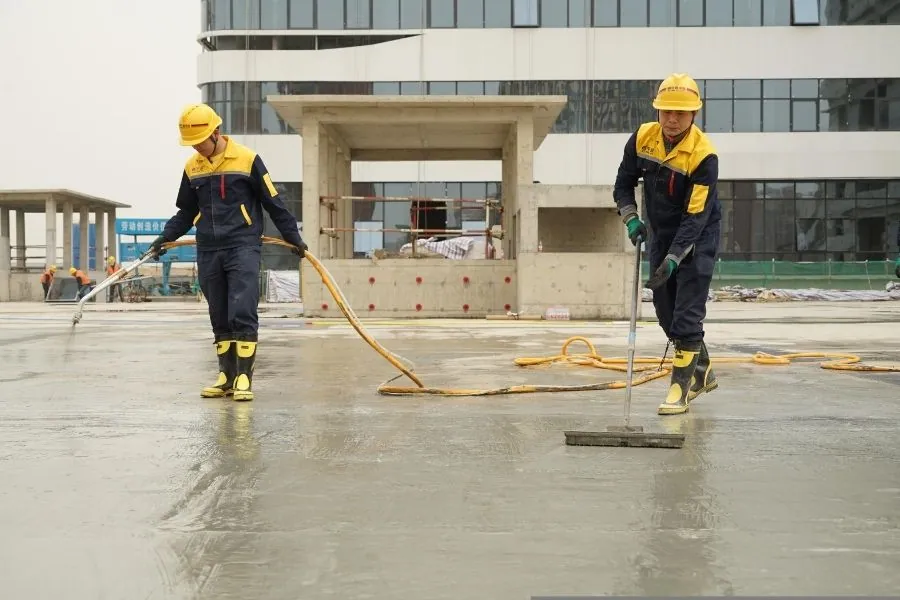
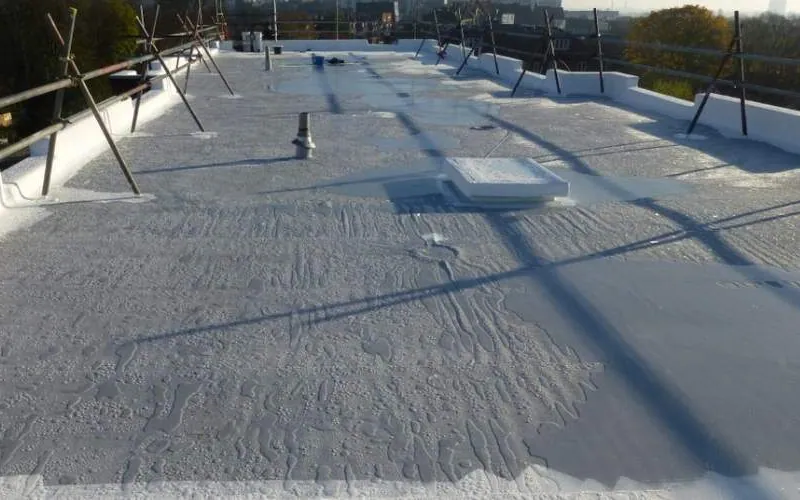
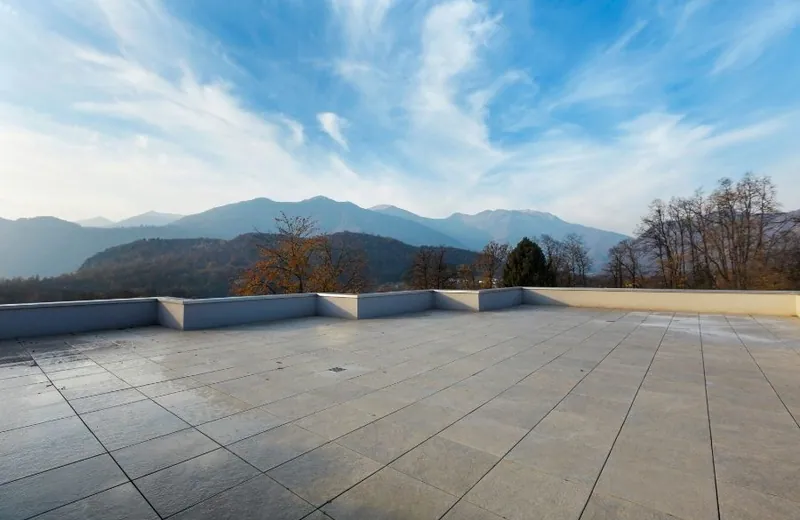
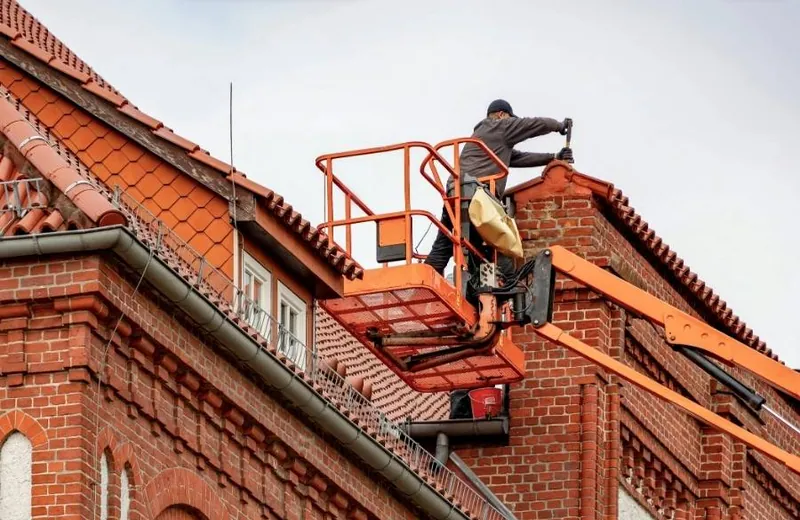


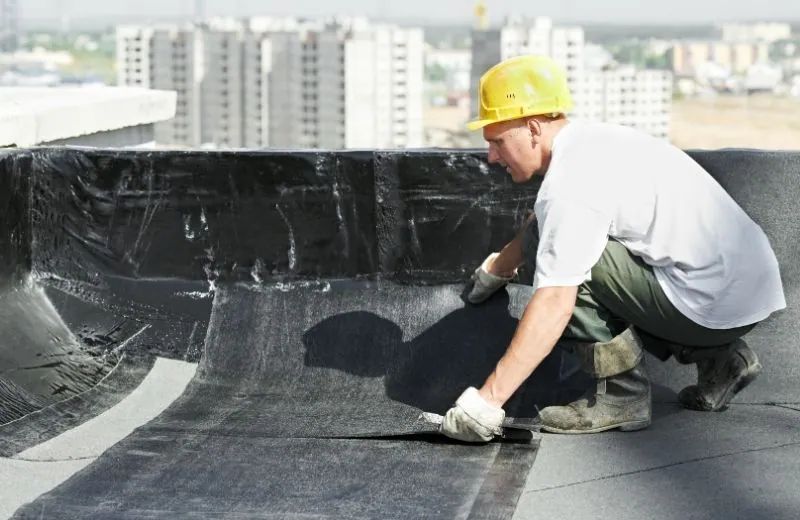

Canyon Country Roofing FAQs
How much does a new roof cost in Canyon Country?
Most full residential reroofs in Canyon Country land somewhere between about $12,000 and $45,000. Where yours falls depends on the material, the size, how complex the roof is, and fire-code requirements. A composition shingle replacement on a typical single-story home often runs $12,000–$22,000. A tile lift-and-relay on a 2,000 sq ft concrete tile roof is commonly $14,000–$26,000. All-new tile or complex hillside roofs cost more. Smaller repairs usually range from a few hundred dollars to around $1,800. We give you a free, itemized written quote after inspecting your roof, and financing is available.
My tile roof looks fine. Why is it leaking?
Your tiles probably aren't the problem. The underlayment beneath them is. Concrete tile sheds most of the weather, but the felt underneath is what keeps water out, and after 20 to 30 years of Canyon Country heat, it turns brittle and cracks. That's very common in Fair Oaks Ranch, Pinetree and other 1980s–2000s neighborhoods. Because almost all our rain comes in a few winter storms, the damage stays hidden until one heavy storm pushes water through. The usual fix is a lift-and-relay: we replace the underlayment and flashing, then reinstall your existing tiles.
Do I need a permit to replace my roof in Canyon Country?
Yes. Reroofs and structural roof work need a permit. Most Canyon Country addresses are in the City of Santa Clarita and go through its Building & Safety Division, with inspections that typically cover the deck and underlayment plus a final. Some unincorporated areas toward Agua Dulce fall under LA County Public Works instead. In Very High Fire Hazard Severity Zones, the new roof must meet Chapter 7A wildfire standards, including Class A assemblies and ember-resistant vents. We confirm the right agency for your address, pull the permit and schedule the inspections.
How long does a roof replacement take?
Most residential reroofs take several working days once materials are on site. Simple repairs are often done in a single day. A shingle tear-off on a single-story home is usually the quickest. Tile lift-and-relays and complex two-story or hillside roofs take longer. Before work starts, permit processing and HOA architectural approval can add anywhere from a few days to several weeks, depending on how often your board meets. In summer, we start early in the morning to avoid the 100°F+ afternoons. We'll give you a realistic schedule up front.
When should I schedule roof work, and when is it urgent?
Late summer through fall is the best time, before the November–March rains and while Santa Ana season is starting. That's when you want loose tiles, cracked ridges and worn flashing fixed. It's urgent if water is coming through your ceiling, a section of roof is missing, or debris has punctured the roof. In those cases, call for emergency service right away. You should also act quickly if your insurer has flagged your roof's age or condition, if your tile roof is 20+ years old and has never been lifted, or if you're seeing granules piling up in your gutters.
How can I make my roof more fire-resistant?
Start with a Class A rated roof assembly. Then close off the places embers get in. That means installing bird stops at open tile ends, swapping attic vents for ember-resistant versions, and keeping valleys and gutters clear of leaves, needles and ash. Replace any remaining wood shake, including on patios, additions and outbuildings. Those details matter a lot in Canyon Country's hillside and canyon-edge areas, like Sand Canyon, Mint Canyon and Whites Canyon, where embers caused real losses during the Tick Fire. Many of these upgrades can be done during a repair or reroof, and documenting them can help with insurance conversations.
How do I prevent roof leaks and make my roof last longer?
The key is scheduling maintenance around our local seasons. Have the roof inspected each fall before the rains, and clear brush, ash and dust out of valleys and gutters. Get cracked or slipped tiles replaced promptly, and reseal vents, skylights and other penetrations as the sealant ages in the heat. Make sure anyone walking on your tile roof, including solar crews, painters and HVAC techs, knows how to step without breaking tiles. Check again after big Santa Ana wind events or earthquakes. Recoat low-slope and mobile-home roofs every few years, and keep the attic well ventilated to reduce heat stress.
Can you work with my HOA and my solar panels?
Yes. Many Canyon Country neighborhoods, including Fair Oaks Ranch, Skyline Ranch, Vista Canyon and lots of condo and townhome complexes, require HOA approval of tile color, profile and material before a reroof. We put together the specs and samples for your submittal. In condos, check first whether the HOA owns the roof. If you have solar, we coordinate with your solar company so the panels come off and go back on in the right order, and we properly flash every mounting penetration so it won't leak.
Serving Canyon Country, CA & Nearby
Get Your Free Canyon Country Roof Quote Today
Don't wait for the first winter storm or an insurance renewal letter to find out what's going on with your roof. Book a free inspection and get a clear, honest plan to fix it.
- ✓A free, no-pressure roof inspection and consultation
- ✓Photo documentation of your roof's condition
- ✓An itemized written quote with clear scope and options
- ✓Permits, inspections and HOA paperwork handled for you
- ✓Fire-smart details built to California wildfire code
- ✓Financing available to fit your budget
- ✓A bonded and insured local team that cleans up completely
⚡ Roof leaking or storm-damaged right now? Call us for emergency roofing. We'll tarp and secure your roof to stop further water damage.
Bonded • Insured